Marta Torbidoni

En intervju med den nya callas
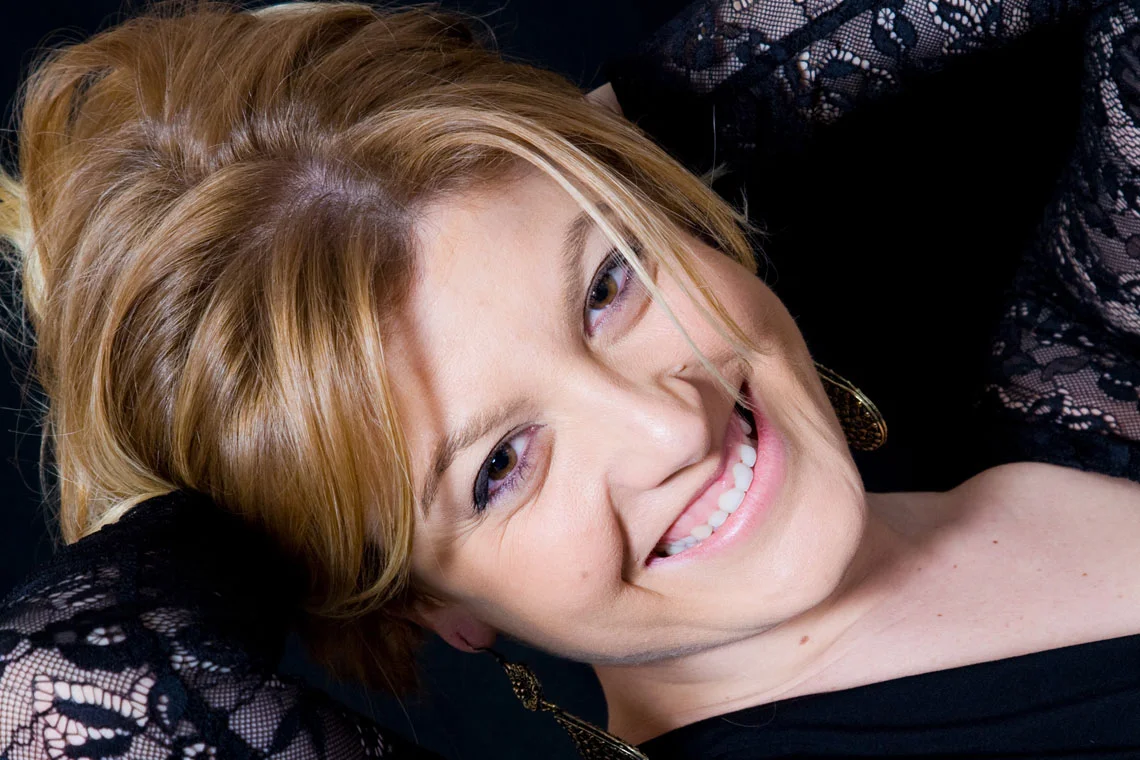
i samband med presentationer på italienska kultur institutet av Giuseppe Verdis festival jag har haft nöje att möta Marta Torbidoni en ytterst kapabel sångerska som kommer att bli 200 talet Maria Calas fast medsamma musikaliska kunskaper av

Hur föddes du som artist ?

jag har alltid sedan vagga gillat musik och när jag var 5 år jag började att spala Piano. när jag var 8 år mitt piano läraren gjorde så att jag deltog i ett sångtävling. (det var Cantamonte och det är jag den som arrangera det nu i mitt by Montemarciano nära ancona) Sen började jag som solist i ett kör och vid 16 år en tenor råd mig att börjar att studera det lite mera systematisk som sopran


Jag vet att du medverkade i produktion av ett liten intermezzo Livietta e Tracollo skulle du kunna berätta om det.

det är mitt debut i ett lite teatern vid marche och det var mycket rolig det var mera centrerade på den bass som jag sjöng med det var en mycket rolig debut


Stiffelio är en mycket svårt verk och för mig det är en av dem få gånger i vilken en italiensk konstnär har försök att komma inne i ett kalvinistisk mentalitet  ?

Jag har inte studerat hela verket men bara några areor som skulle presenteras vid Festival Verdi. men den är precis som alla Verdis verk mycket svårt eftersom den är under vissa studer dramtaiska och i andra lyriska om nästan alla Verdis verk


Molti dei miei lettori non hanno mai né studiato canto o neanche fatto ripetizioni teatrali, come funzionano?

L’ideale sarebbe iniziare all’età di 15-16 anni e trovare un valido insegnante. Dopodichè bisogna effettuare un percorso lungo e dedicare molto tempo allo studio della tecnica e allo studio dello spartito.

skulle du kunna berätta hur det var att arbeta med en edizione critica som man kallar det på italienska det vill säga på rent svenska en full text?

Jag gjorde det enbart i ett tillfälle Giocchino Bellinis opera puritanerna som spelades i Catania på hans teatern. De var mycket svårt i den bemärkelsen att vi fick arbeta otroligt mycket och otroligt hård det blev igen stor bearbetning och vi sjöng alla dessa långa partier. Man fick studera otroligt mycket på ett begränsad tid men det vara så super rolig och det gick mycket bra.

Skulle du kunna berätta lite grand om ditt erfarenhet med den icke så super kända Verdis opera Jerusalem och hur ni gjorde för att skaffa er kunskaper om den ?


Precis som när det gäller Stifelio jag har inte tagit i tur med hela operan men enbart en area . Verket var skriven på franska och det finns ingen som helst italiensk översättning. Jag var tvungen att studera den ordentligt eftersom det har långa partier i vilken det finns komplicerade kolortar lierade med långa handlingsdelar.


Du har arbetat i Marbo Slovenien i Kroatien och i Bulgarien finns det några roliga anekdoter som berör dessa teater kulturer ?

Mycket bra på hela linjen , folk i dessa länder precis som hör i Sverige verkar uppskattarpå ett otroligt stark sätt operan. Dem är verkligen super närvarande engagerade . Jag har dessvärre inga roliga anekdoter.


Skulle du kunna berätta hur det var att arbeta på en riktig kanon opera som Gianni Sicchi ? Vilka var den problematiker som förekom med det?


Det är en mycket fint opera som jag känner verkligen för , rollen som jag spelade Lauretta är mycket kort men den area som hon tillängar sig är verkligen intensiv och super speciell. Jag bara älskade den.

 En av dem mest kända och produktiva opera tonsättaren är Wolgfard Amedeus Mozart. Hur har det varit att arbeta med honom?

Det är mycket svårt eftersom hela hans verk utgår från otroligt djupa recitativ delar som man måste verkligen lära sig på ett grundläggande sätt.


Nu opera eller för allt del balett på film via skrype är så otroligt viktig och jag har ett känslan att dessa är ofta så omtalade i massmedierna enbart eftersom dem spelas där kan det stämma?

Du har rätt men det utesluter inte att det kan även finnas iscensättningar på mindre kända platser som är lika bra eller kanske bättre.

Italien är kanske det land i världen som har den stora delen av kultur arvet som gäller musiken men varför är inte opera ett skol ämnet?

Tyvärr den italienska skolan är redan lite intresserade i musik ämne och dem skulle vara ännu mindre intresserade i någonting som specifik som melodram historia.

Det fanns en tid under 1950 talet i vilken kända sångerskor som Tebaldi gav röst medan kända divor Sofia Loren agerade som Aida i film produktioner tror du att det skulle kunna komma tillbaka  ?

nej jag tror inte eftersom det har blivit allt vanligare med insparingar på teatern redan på plats. jag ser inget framtid för det


för mig några av dem vackraste stunder i film historia är Kenent Brangadan, Il Don Giovanni avJoseph Losely men mest la Carmen di Francesco Rosi var man har tillsmans opera och filmen skulle man kunna göra den smama med Stiffelio?


varför inte !


Tror du att man skulle kunna skriva en opera i samma still som dem som Verdi skrev över games of throndes ?


Under melodram historia man tog ämnet från den tiden historia från mytologi och även den samtida världen idag gör man mest musikaler på ett stil som påminner mest av den stil som man använder i Broadaway men jag är säkert att någon som lykas att dei secoli scorsi, oggi verrebbero fuori dei Musical in stile Broadway, che sono un’altra cosa. att skriva om den samtida musiken som Cocciante på Premiata Forneria Marconi, skulle kunna göra det


Come vedi anzi senti la musica di Morricone?

han är en så stor mästaren som har ett sätt att göra film musiken som är fantastisk och många citera honom och hylla honom ett stor tillgång till den italienska musike.

har du en favorit svensk film ?

nej jag känner inte till svenska filmer.
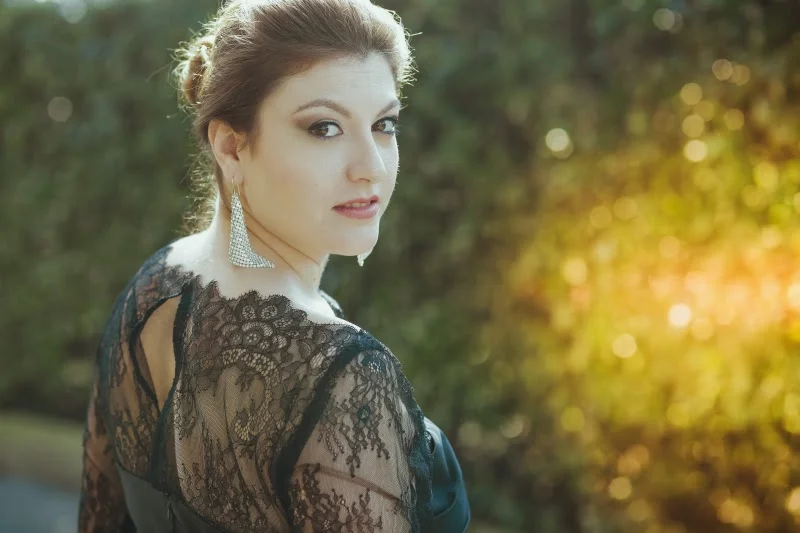
 

Marta Torbidoni la nuova Callas

Poche volte ho visto come alla assaciazione suono italiano cantare una cantate cosí compelata cmeMarta Torbidoni con una voce simile alla callass e ua musicalità coem quella della tebaldi ha risposto alel mie domande

Allora come nasce la vocazione artistica di Marta Torbidoni?

Ho sempre amato la musica fin da piccola, poi all’età di 5 anni ho iniziato lo studio del pianoforte che ho proseguito per 10 anni circa.

All’età di 8 anni la mia maestra di pianoforte mi ha fatto avvicinare al canto facendomi partecipare a un concorso canoro per bambini (Cantamonte, che attualmente organizzo io nel mio paese Montemarciano (An) ). Dopodichè ho iniziato a cantare come voce bianca solista in un coro. All’età di 16 anni un tenore mi ha ascoltato consigliandomi di avvicinarmi al canto lirico e da lì è partito il mio studio da soprano.


Ho visto che hai cantato un'opera buffa (anche se forse é meglio parlare di un intermezzo ) barocca Livietta e Tracollo mi puoi raccontatore di questo lavoro e della sua messa in scena?

    E’ stata la mia prima opera a cui ho partecipato come cantante solista, eseguita in un piccolo  teatro delle Marche, è stato molto divertente studiarla e interpretarla. La regia era curata dal basso con cui cantavo.


Stiffelio è un 'opera molto difficile ed è una delle poche volte che un 'artista italiano ha cercato di calarsi in una mentalità calvinista . Come hai studiato l'opera e quali sono state le tue difficoltà?

Non ho studiato tutta l’opera ma ho studiato solo l’aria in occasione di questa presentazione del Festival Verdi. Ad ogni modo le arie di Verdi sono tutte molto difficili, in questo caso specifico la vocalità deve essere lirica e a tratti drammatica, e si devono possedere buone agilità.

Puoi raccontarmi un po' di come hai lavorato alle edizioni critiche?

Ho lavorato solo una volta ad un’edizione critica, quando ho affrontato lo studio dell’opera i Puritani al Teatro Bellini di Catania. L’edizione critica era molto lunga e non sono stati fatti molti tagli. La difficoltà è stata che l’ho dovuta studiare in pochissimo tempo, ma alla fine è andata molto bene.

Puoi raccontarmi un pochino dell'opera Jerusalem come è e che difficoltà ci sono come vi sta, alcune problematiche come avete fatto per documentarvi?

Anche qui non ho affrontato tutta l’opera ma solo l’aria. L’opera è stata scritta in francese e non c’è una traduzione in italiano. E’ sicuramente un’aria molto difficile, fatta di frasi lunghe, legate e di fiati lunghi.


Ho visto che hai lavorato a Maribor, in Croazia e in Bulgaria quali sono le tradizioni liriche in questi paesi e come sono diverse da quelle italiane? Hai un aneddoto di un qualche piccolo ed eventuale contrasto di tipo culturale o tutto é funzionato molto bene come in Italia?

Ho notato che in questi Paesi il pubblico è molto presente e molto più caloroso, noto che la gente apprezza di più l’opera lirica. Non ho aneddoti da raccontare. Mi sono sempre trovata bene come in Italia.

Com’è stato lavorare su Gianni Schicchi? Che problemi ci sono stati?

Lavorare su quest’opera è stato molto divertente, è un’opera che mi piace molto. Il ruolo di Lauretta è molto breve ma l’aria di Lauretta è molto intensa e profonda.


Wolfgang Amadeus Mozart è uno degli autori più poliedrici secondo te come funziona il lavoro con lui?

E’ un tipo di teatralità musicale particolare. Le sue opere sono piene di recitativi che necessitano di uno studio approfondito per poter riuscire a renderli nel modo più efficace.


Ho l'impressione che molte volte messe in scena del Metropolitan o anche della Scala piacciono solo per il motivo che sono fatte in quei due teatri mi puoi raccontare come

Di certo vengono molto esaltate dai mass media, non è detto però che in realtà più “modeste” non avvengano produzioni della stessa qualità, sia dal punto di vista registico che musicale.


L'Italia è il paese dell'opera ma non è una materia a scuola secondo te come mai e come pensi che lo potrebbe diventare?

Purtroppo il sistema scolastico nelle scuole pubbliche non dà importanza alla materia musicale in generale, quindi sarebbe difficile inserire una materia ancora più specifica come il melodramma.

Molti dei miei lettori non hanno mai né studiato canto o neanche fatto ripetizioni teatrali, come funzionano?

L’ideale sarebbe iniziare all’età di 15-16 anni e trovare un valido insegnante. Dopodichè bisogna effettuare un percorso lungo e dedicare molto tempo allo studio della tecnica e allo studio dello spartito.


Un tempo negli anni cinquanta si era soliti produrre film da opere liriche dove degli artisti famosi interpretavano personaggi dell'opera mi ricordo una Aida con Sofia Loren e la voce era la Tebaldi, pensi che uno spettacolo simile potrebbe avere senso oggi?

No, perché ormai hanno preso piede le registrazioni delle opere in teatro trasmesse anche nei cinema addirittura, che sono anche dal punto di vista registico molto curate. Resta unico il modo di assistere all’opera” live” che non è uguale ad assistere all’opera trasmessa o al cinema o in televisione.


Per me tre dei più bei film della storia del cinema sono il Flauto magico di Kenent Brangadan, Il Don Giovanni di Joseph Losely e soprattutto la Carmen di Francesco Rosi dove il cinema e l'opera si fondono benissimo pensi che si potrebbe realizzare un film su Stiffelio?


Perché no?! Certo!


Pensi che si potrà tornare a comporre opere simili a quelle di Verdi magari sul modo di Trono di Spade e chi le potrebbe fare?


Nella storia del melodramma i soggetti erano presi dalla mitologia, dalla storia, da fatti veramente accaduti o da storie inventate quindi più che scrivere delle opere come lo erano quelle dei secoli scorsi, oggi verrebbero fuori dei Musical in stile Broadway, che sono un’altra cosa. Molti musicisti contemporanei si sono cimentati nella scrittura e nella messa in scena di Musical, da Cocciante alla Premiata Forneria Marconi, quindi chiunque è inserito nel mondo della musica potrebbe farlo.


Come vedi anzi senti la musica di Morricone?

Ha uno stile che non si è ancora ritrovato in altri compositori di musiche da film. Tanto è vero che molte delle sue colonne sonore sono rimaste nella storia. Molti musicisti hanno addirittura, in forma di tributo, citato molte delle sue composizioni nei loro lavori.

Hai un film svedese preferito?

No, non conosco film svedesi.


Utan konflikter inget dramatik och inga målninga eller

Intervju med Claude Kayat

Många av de bästa författaren som vi har idag i Sverige är födda som vi har idag i Sverige är född och uppvuxna i andra länder och hra gett nya intressanta perspektiv till den svenska teatern och den svenska litteraturer. En av dem är Claude Kayat

Skulle du kunna introducera dig själv till våra läsarna?

Jag är född i Tunisien 1939, uppvuxen i ett judiskt hem. Men jag är fransk och numera även svensk medborgare. Tunisien, på den tiden, var väldigt multikulturellt. Jag har franska som modersmål och de flesta av mina vänner var fransmän, italienare, judar, muslimer, greker och malteser. Om inte annat så har det gjort mig immun mot fördomar och rasism. Kom till Sverige 1958. Gick på konstskola i tre år (bl.a Gerlesborg). Jag både skriver och målar. 

Min libretto, Jean-Joseph, beställd av Kungliga Operan, hade premiär den 19 oktober 2016. Musiken har Tebogo Monnakgottla komponerat. Den handlar om en madagaskisk poet som tog livet av sig 1937. 36 år gammal. Den skrev jag på franska. Annars brukar jag skriva mina pjäser på både franska och svenska. Romanerna enbart på franska. 

Jag har skrivit ett stort antal teaterpjäser (27 stycken! ) varav en del har satts upp (se DramaDirekt). Många gånger har svenska teatrar ställt sig undrande över min blandning av komik och tragik i ett och samma stycke. Men jag tycker att det är intressantare att blanda genrer. Det utgör en del av min stil, även i mina romaner (i  Mohammed  Cohen till exempel).

Jag har publicerat åtta romaner i Frankrike, fyra av dem prisbelönta, två översatta till flera språk. 1) Mohammed Cohen (översatt till svenska
 (Legenda, Legenda pocket, en Bok för Alla, Elisabeth Grate bokförlag), engelska (Bergh Publishing) och tyska (Universitas Verlag)
2) Les Cyprès de Tibériade (Cypresserna i Tiberias), 3) Le Rêve d'Esther (Esthers Dröm), 4)  l'Armurier (Vapenhandlaren), 5) Hitler tout craché (Hitler upp i dagen), 
 6)  Le Treizième Disciple (Den Trettonde Lärjungen) som har publicerats
på polska och som kommit ut i svensk översättning och fått lysande recensioner. 
(erhållit Klas de Vylders pris) 7) La Synagogue de Sfax, 8) Le Café de Madame Ben Djamil.

Jag började skriva teaterpjäser innan jag började skriva min första roman. Alltid varit intresserad av dialoger och spänningsfyllda situationer (utan konflikt ingen dramatik!)

Finns det någon skribent som har påverkat dig och någon teaterregissörsom har inspirerat ditt dramatik? 

Dürrenmatt är en dramatiker jag beundrar väldigt mycket. Vet inte om han har påverkat mig så mycket. Jag började skriva dramatik innan jag upptäckte honom. Vad gäller prosa beundrar jag mest Antoine Blondin för hans lysande stil. Stil betyder väldigt mycket för mig. Jag skriver om varje roman 20 gånger innan jag är nöjd. 

En svensk regissör som jag hyser stor respekt för är Per-Verner Carlsson (numera avliden). Han gjorde oerhört spännande uppsättningar av bl.a. av fransk modern dramatik. 

Just nu filar jag på en roman. Inte bestämt titeln än. Gud vet när den blir klar!

Kan du berätta lite grand om ditt måleri?

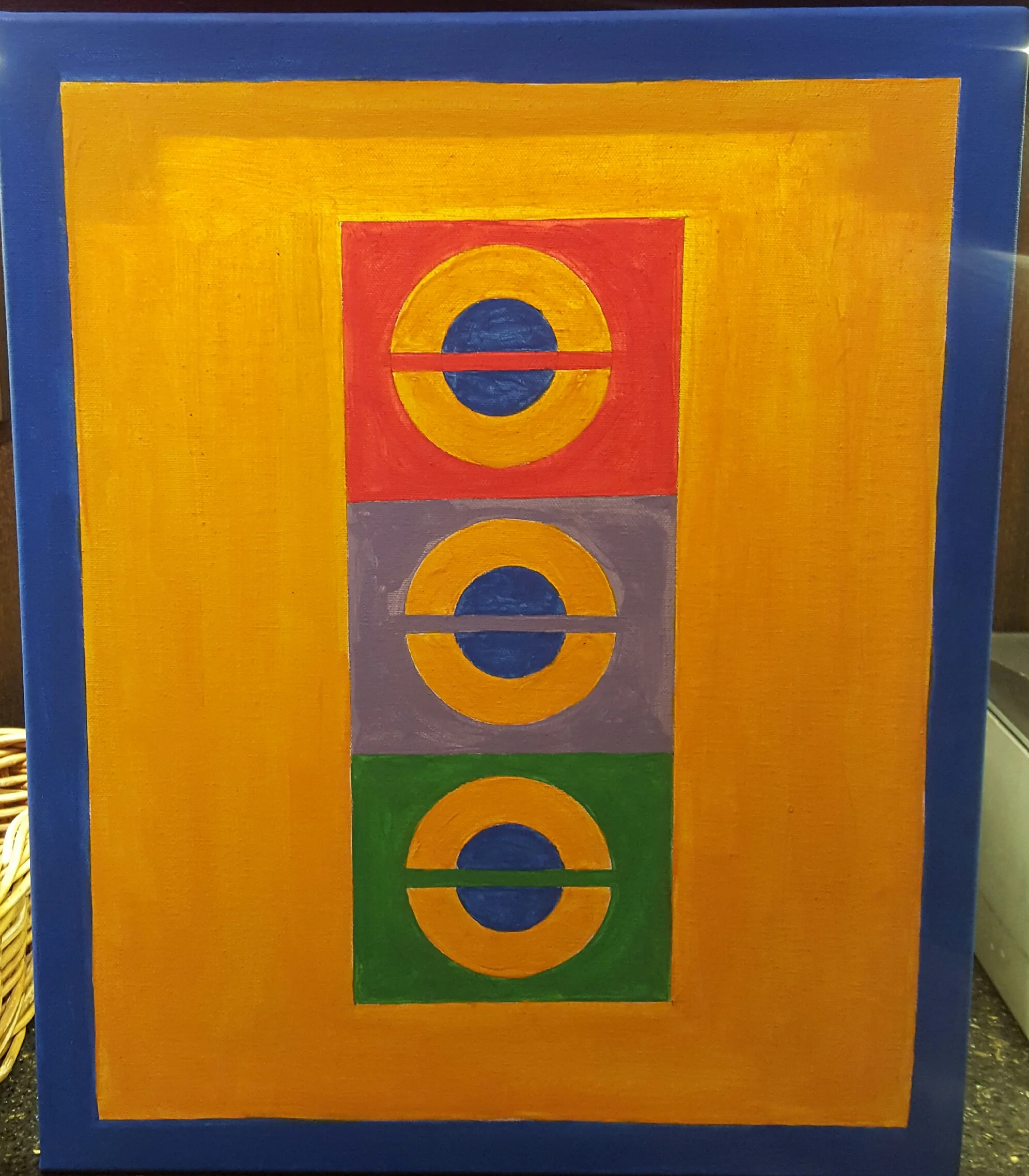
jag målar icke föreställande abstrakt i koloristisk-konstruktivistisk andan . Det är det som intresserad mig mest inte så mycket det föreställande som jag ängar mig åt i romanerna


Roberto Fogelberg Rota


The new miss Romagna

Interview with Penelope Landini

Penelope Landini is the new Miss Romagna a tittle that is really important for get into the national competition of miss Italia

Sorry me for writing only now... 


Could you present yourself a bit to our reader?

Hi readers, my name is Penelope Landini, I was born and grew up in Imola, a small town near Bologna and i'm Model and Actress since 2005. My career started when I was only 15 years, but I had very clear ideas. I attended high school and a theater academy before deciding to move to Rome in 2009 where I lived for two years and worked as an actress. After two years of hard work and success, I am returned to Imola. I fell in love and got pregnant with my son Diego who is now 4 years old. Today I am a mother, a model, an actress, an entrepreneur, a woman realized and a girl who is realizing its objectives.

You have work with Aldo and Giovanni and Giacomo than are well known even in my country could you tell me a bit about them?

The work experience along with Aldo, Giovanni and Giacomo was my official baptism in the advertising industry. I arrived on the set in Bologna in St. Stephen's Square on Monday morning, I seemed to be in Cinecittà and I was immediately catapulted into a world that I dreamed since I was a child. the three comedians were wonderful with me. They were exactly as they are shown on television. They are funny, entertaining and very good accomplices. ..and of course the most exciting thing was that i was the only co-star of the video with them. ..I remember that as a wonderful experience.

How is the life of an Italian top model?

I can not tell you in general how is the life of an Italian model, I can tell you something about my life .. and my life is to grow and spend time with my son, engage in work that is also my passion, devote my family that I love so much, never give up good food and outings with friends, and above all a good dose of workout in the gym. So. work hard.

What does it mean for you to be a miss?

I think, be a Miss, means to give an opportunity to themselves, even just for once, to feel beautiful and in the spotlight as a woman, as a person, for aesthetic or a particular talent. All women are a bit 'Miss.

Do you have a director with whom you will love to work?

The director of my heart has always been Stanley Kubrick. The director of my childhood was Steven Spielberg, but today my favorite director is Italian, he's very young and he's fantastic, he's Matteo Garrone (I love his movies).

Explicitly the new one “tales of tales”

Tia Sing


Great Swedish film composer in Hollywood


“The perfect weapon” is Hollywood debut work for the young Swedish director Titus Paar it is on a genre point of view a kind of dystopic vision of a future like Radley Scott’s “Blade runner” that has even more claustrophobically element. We don’t know so much of the world structure only that it is ruler with iron hand by a dictator that have thank to several cameras and other surveillance technology by the Director a kind of dictator play by Steven Seagal . This part is important because it is a pessimistic view on much of a new age inspired and oriental inspire philosophy. Seagal plays a part that remain a lot of Marlon Brando in Francis ford Coppola’s “Apocalypse now” even if he is a certain way much more civilized that Kurts he is more powerful a kind of entity. The part need one kind of theatre alike manners and a large scale of self distance that Segal do very well. The only form of rebellion that is possible even if there is one kind of opposition that consist in meddle age man is only from the inside the death squat dress with a wall street kind of code in which Condor a really good part for Johnny Messner is part. This role is not the ordinary hero in a action film but one kind of terminator that live in a perfect hous. The way in which Titus Paar and Messner build the action is much alike the German expressionism a stone face and small movement that little by little show not only the hero skills but also the complex society . The other main character is the one that we will call as the manipulator Richard Tyson the controller that is a kind of instructor that chose (this theme put Tittus Paar really near to another recent film“hardcore”) thank to a memory of a beloved Nina play in a really intense and charismatic way by Sasha Jackson . The movie has a great action rhyme thank to   ‘s editing and Mark Rutledge’s photography simple and brutal gives an idea of a strong and claustrophobic situation. I had the possibility of making an interview with the film composer Simon Kölle . Music is rather astonish and it is almost always present in a kind of mixture between David lynch composer Gaetano Badalameti and Richard Wagner epical rhythm. The music is not only helping us to understand the story but also to build up a true world . A kind of sceary and powerful world that little by little turn to be a mirror image about our own one.


So how did you start to be a composer?


I started out writing music as a child actually. Then it was all fun and games and I played in bands. As 14 year old I started to actually compose melodies that I am proud of today. I found the theatre, martial arts and studied but I always kept loving music. After a couple of years as a director I started to long for music again.


I met Simon Heath who became a good friend and both colleague and somewhat a teacher. I could teach him stuff too so it went both ways. Me and Simon worked with recording albums and experimenting with music 8-9 years and as the years went by I truly became a full time composer. 2009 I got into films and became a film composer - and I never looked back.


I guess the easy answer on your question is that I in some way always were and always will be a composer. My first melodies were very simple but I feel in love with music at a very young age.


What are the main difficulties that you have met when you write music for film?


Some would say time but for me I don't see it as difficulties I see challenges. I love it. It's important to have order in chaos, to be organized and creative. If it were easy everyone could do it. Many think they can compose great film music just because they write good music but film music is something else.


Can you tell me a bit of the project "Legend of Dark Rider" how did you get to work on it?


Titus Paar approached me as he really liked the short Drakar och Demoner: Tronländaren and also knew I was scoring Vilsen. He introduced me to the idea of Legend of Dark Rider and I loved it. One thing led to another and after that project we worked on the Hollywood film "The Perfect Weapon".  


We know that you have also practiced MMA and Historical European Martial Arts (HEMA) like facing? Did they have any impact on your music?


For sure! My understanding of martial arts is a something that I bring with me into my music. It might sound odd but for me it's both about mindset and implementation.


You made the music for this wonderful movie “The perfect Weapon “done by another Swede Titus Paar with Steven Seagal? How do you actually work on the score and how could you make a kind of verfremdung effect with Mark Rutledge's cinematography. I mean I found the music very much as epical and the picture claustrophobic?


Thank you. Me and Titus Paar work very close together and he is really giving me both freedom and guiding me at the same time. It's awesome. I love to work with him. He is always into the details. To score my first Hollywood movie was a great deal of fun. Actually not much pressure at all. I felt ready.

I composed the score in Stockholm and beside me doing an action score I wanted to hook up with a band and incorporate it in a theme (a love theme) in the film. I found the Swedish band Kite and we made a song for the film that blend in well. Other than that I created a sound that was in a way 80: s inspired but not all out 80: s.


I don't want to distance me from any movie I work on. I am not into the whole Verfremdung effect and Brecht is someone I never really enjoyed as a theorist or even playwright. Not many know this but I am actually an educated dramaturge. But okay I know Brecht's importance of course in the history of theatre and film but I don't try to distance me at all. No matter what I dive into the picture and together with the Titus we sat down and came up with the idea of the music.


Did you work with lead motive?


Yes. The Love theme is the most obvious one in the film.


Could you chose one scene and describe it?


To describe music and film without looking at it is not easy and I recommend that you all see the film instead.


You have made some excellent albums over the years with Za Frûmi. Could you tell us something about them and the story behind? And if they will be a movie soon?


Not many ask me about Za Frûmi anymore so it's nice to get the question Roberto. I and Simon Heath did both radio theatre with music and cinematic music under the Za Frûmi name. Since 2009 we have not worked with Za Frûmi though. The fantasy story behind Za Frûmi and the world is for sure perfect for a film. Not anytime soon though.


A lot of people made a comparison with you and Ennio Morricone what do you think about it?


Yeah it's actually rather funny as I truly love Ennio but we are so different. He is old school and a very traditional composer and I am more modern and follow in the footsteps of composers like Hans Zimmer more (not trying to sound like Mr. Zimmer though). But no matter what, to just be mentioned in the same sentence as Ennio Morricone is for me huge.


I found Ennio as a child and back then he was not hot at all. He was considered old and all but modern. Many wanted to attach him only with his work with Westerns but I knew he did so much more.


My first play I wrote and directed I was inspired by Tarantino, Ennio Morricone and a couple of more brilliant artists. I used music from Ennio, Japanese pop and more. If it were today it would not be anything unique as people know that Tarantino works with Ennio and have seen Kill Bill were Japanese Pop is featured. Back then people were exposed to Ennio, Tarantino-like characters blended with some spices of Werner Herzog, Antonin Artuad, Jerzy Grotowskij and Simon Kölle. Sound crazy right? But today I am very proud of my theatre plays as they were in hindsight very much before their time. Having that said I have enjoyed Ennio for 30 years now. I love his work.


I found a lot of Wagner in you?


Haha. Thanks I guess. Wagner was just like me both a composer and theatre director. I have not worked with Opera yet though. Wagner is the father of Theatre Music and Film Music in a sense. When it comes to Wagner's thoughts about politics I am very far from him.


Can you talk about your next project?


I am as we speak working on several projects but the one right now is a Swedish feature called "Vitt Skräp" or "White Trash" in English. Actors such as Ola Rapace, Erik Bolin (a wonderful actor!), Ida Engvoll, Peter Viitanen and Donald Högberg are seen in the film. The director Tobias Nordquist is a friend I worked with on documentaries and in different projects, it's his first feature. I am composing the score together with me good friend Joel Forssell who actually is one of the Writers (together with Andreas Doyle and Anton Hagwall) too.

The 17th of October the feature Vilsen comes out on VOD and the score I made for that film is the most grand in terms of amount of music I ever made. Over 1 and half hour of music.

I am right now also scoring trailers for American horror films (it might expand to not only be horror but so far it's in the horror genre).

Roberto Fogelberg Rota